Are you an Analyst or a Thought Partner?

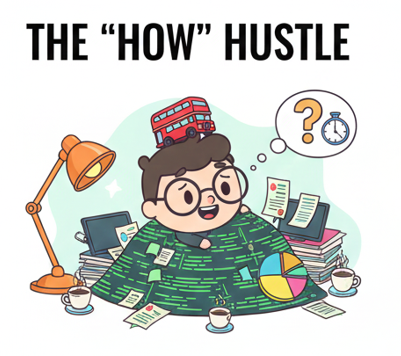
When you first start out as a data professional, the thrill is almost entirely in the "how."
How do I write this complex SQL query? How do I make this dashboard look sleek? How do I automate this report so it runs while I sleep?
I started my career as an analyst, and having worked with many over the years, I know that these technical skills are the non-negotiables. You are expected to have the know-how to prep data, write clean code, and build a dashboard. That is the foundation. But is that enough?
Beyond Technical Comfort Zone
For the longest time, an analyst's "safe space" was their technical expertise. If you knew the specific syntax of a window function or how to fix a broken DAX expression, you were the hero.
But today, with AI at our disposal 24/7, almost anyone can describe a complex business problem to an LLM, and it will spit out the SQL code in seconds. You can upload a CSV to a tool and have a professional-looking dashboard generated before you’ve even finished your coffee.
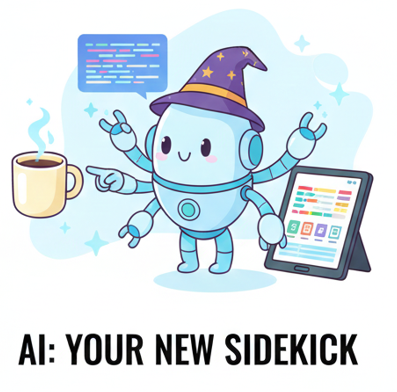
If your only value is "writing code" or "making things look pretty," you are going to feel behind sooner or later, if not already. So we have to ask ourselves:
If the "doing" is becoming automated, what is left for us?
What Stakeholders Actually Care About
Think about the best feedback you’ve ever received. Was it "Your dashboard is so pretty"? Probably not. In fact, I don't think I've ever heard a client say that.
Stakeholders aren't looking for art; they are looking for information. Specifically, they care about 3 things:
- Accuracy: Is the info correct?
- Alignment: Is it aligned with what they actually need to solve?
- Clarity: Is it easily understandable?
If you hit those three, you’ve done your job as an analyst well. But to move up the ladder and become truly indispensable, you have to look at where you are spending your energy.
You have to stop being a "ticket-taker" and start being a consultant.
Leadership Without the Title
When you hear the word "Leader," do you immediately think of a CEO or a Director? I’ve come to realise that leadership isn't a spot on an org chart.
An Analyst can be a leader without the official title.
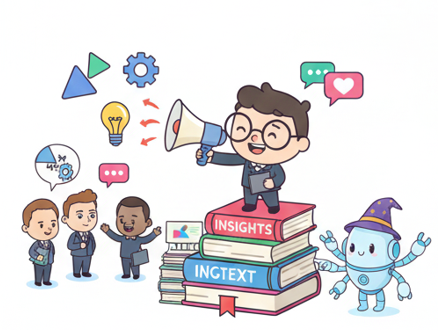
- You lead when you challenge a client's request because you know the dashboard won't actually answer the stakeholder’s true question.
- You lead when you ask, "What decision will this data help you make?" before jumping on the next chart.
- You lead when you translate a row of numbers into a story that a client can actually act on.
- You lead when you have the courage to tell a stakeholder that the data doesn't support their narrative.
- You lead when you use the time saved by AI to dig into the "why" instead of just delivering more "what."
Even with AI able to write our SQL or suggest visualisations, the "Thought Partner" is the one who navigates the human complexity of a business. AI can't tell you if the information is aligned with a stakeholder's hidden goals, only an analyst acting as a partner can do that.
My Blueprint for becoming a 'Thought Partner'
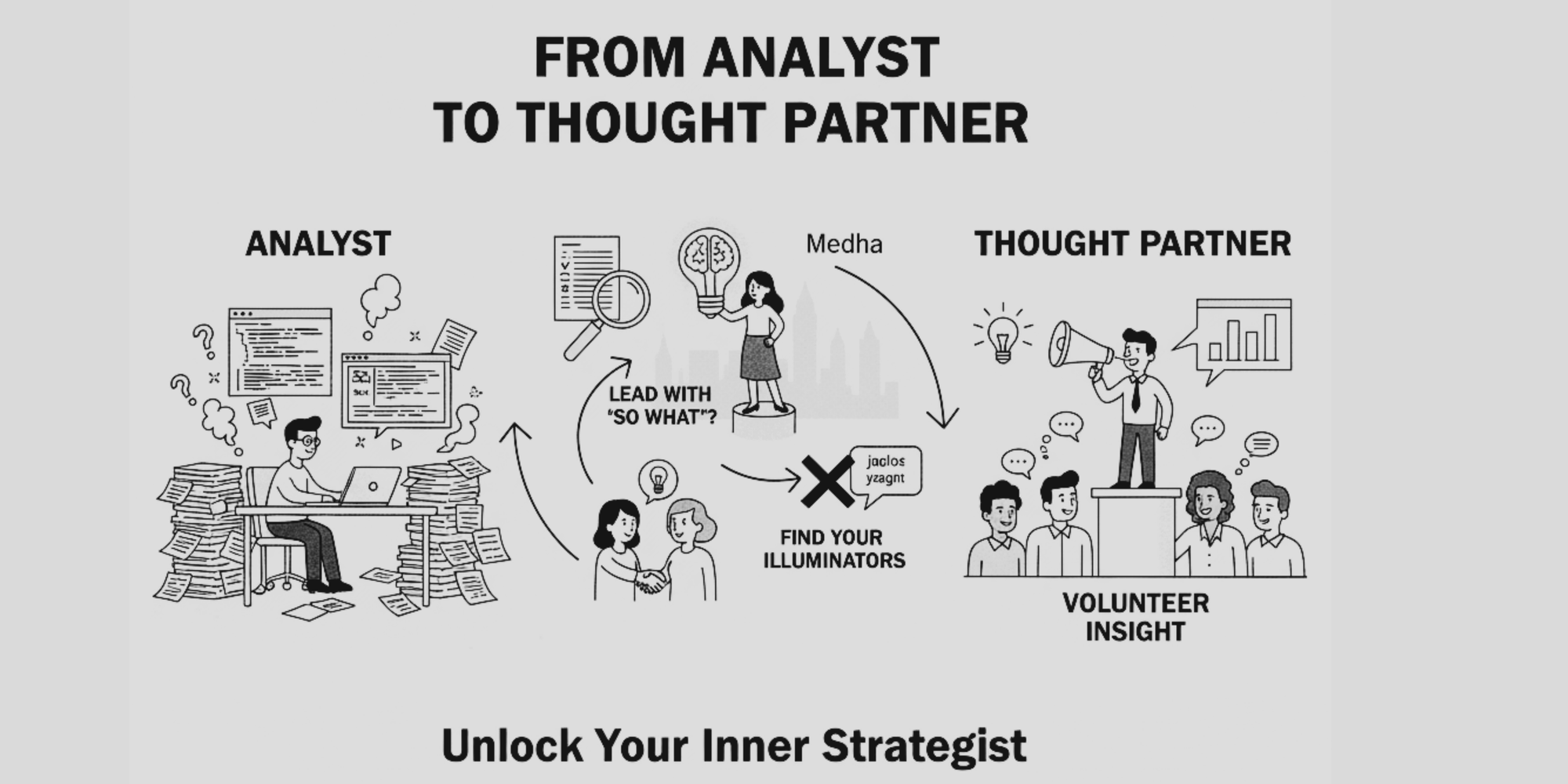
Shifting from an analyst to a thought partner doesn't happen overnight; it happens in the small, intentional choices we make in our daily communication. Below is my personal playbook to bridge that gap. I’ve found that when I lead with these principles, my input is not just welcomed, it is actively sought after and acknowledged by my stakeholders.
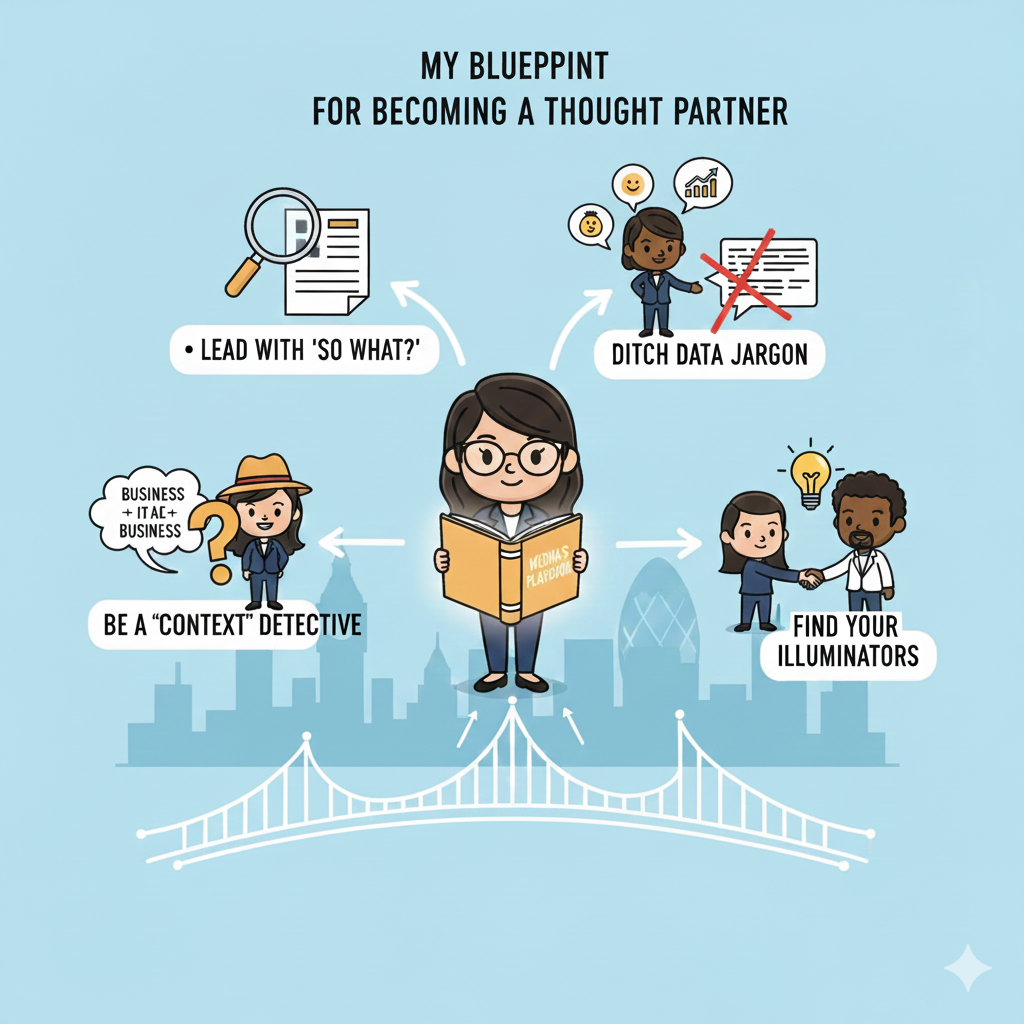
- Lead with the "So What?": Before hitting send on any report, I force myself to write two bullet points at the top of the email. I don't describe the data, I describe the insight. If they only have 30 seconds to read, what is the one thing they need to know?
- Ditch the Data Jargon: I’ve learned that using terms like "joins" or "aggregations" with non-technical stakeholders is a barrier, not a flex. I speak the language of the business.
- Be a "Why" Detective: I ask questions until I understand the business context as well as the person requesting the data. If I don't understand the problem, I can't possibly build the solution.
- Find Your "Illuminators": I actively seek out stakeholders who value my input, not just my output. These are the partners who view data as a conversation, not a service, and they are the ones who will help you grow into a strategist.
- Volunteer Your Perspective: I’ve stopped waiting for permission to share an insight. If the data reveals something unexpected, I speak up, even if it wasn't part of the original request. That’s where the real value lies.
Closing
At the end of the day, technical skills are what get you in the room, but your ability to partner and provide clarity is what keeps you there. The world has enough people and now, enough bots who can build dashboards. What it needs are more people who can lead through insights and navigate the human side of data.
It’s easy to stay in the "how" because it’s measurable and safe. But the real impact happens when you step into the "why."
Enjoyed this post? If this article helped you rethink your role as an analyst, consider subscribing to my newsletter for more reflections on data, career growth, and the human side of tech. Let’s move beyond the dashboard, together.
Related Blog
 Medha Khurana