
Half the Workforce and What the Workplace Still Gets Wrong

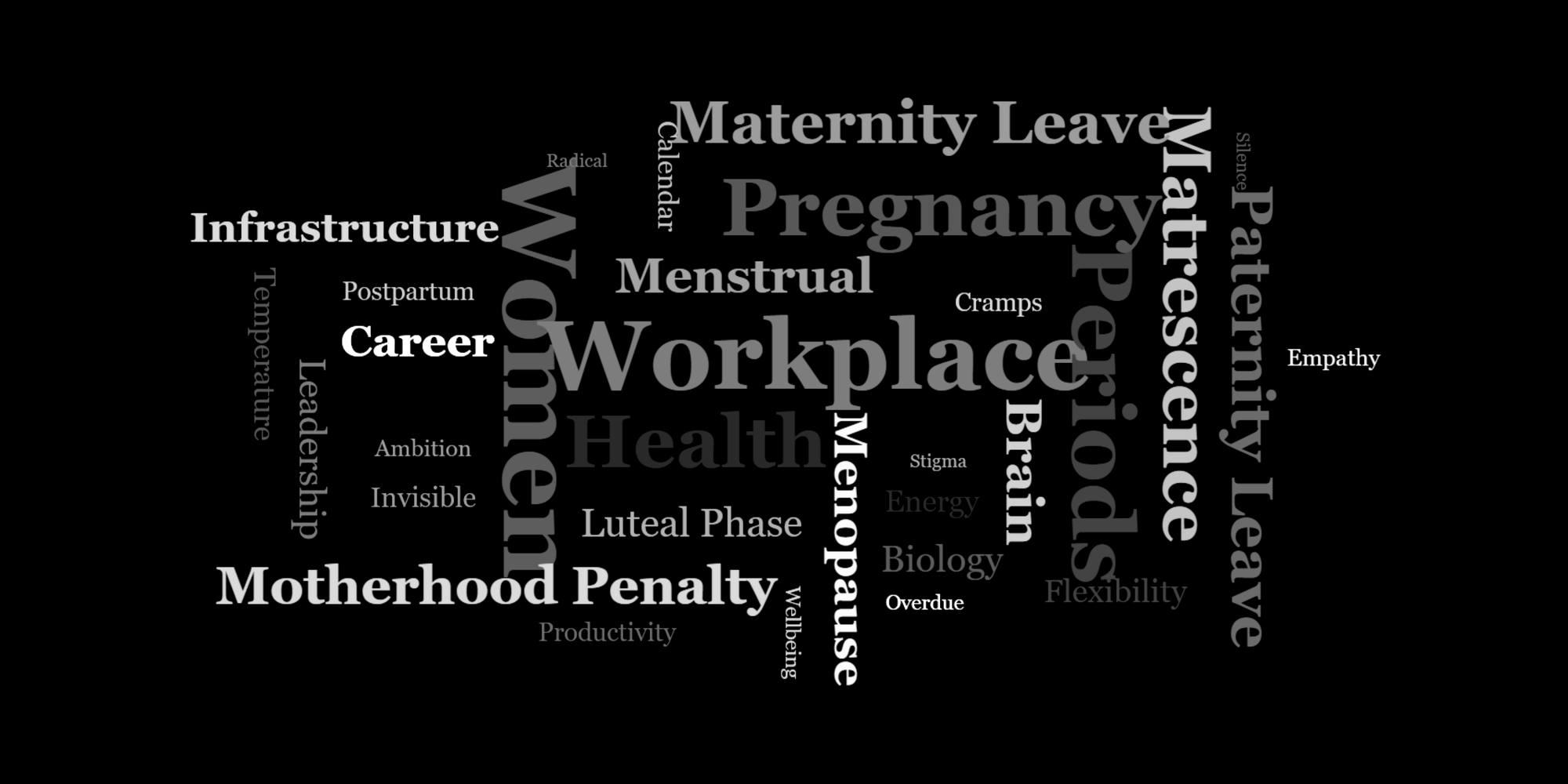
I'm at a networking event making polite conversation. I ask a woman, smart, accomplished, clearly someone with a lot of talent and potential - what she gets up to outside of work. And almost without fail, the answer orbits around someone else. Her kids. Her parents. The school run. Chores. The invisible infrastructure of a life that somehow became her responsibility entirely.
I've noticed it enough times now that I can't un-notice it anymore.
I am a woman in my late twenties with big ambitions. And the more I step up in life and at work, the more a quiet anxiety creeps in. One that I don't always have the right words for. But it's the dawning realisation that the workplace I am climbing was not entirely designed with me in mind.
Not in the obvious ways. Not in the "women aren't welcome here" way, that battle has been fought and is being fought. But in the subtle, systemic, almost invisible ways that accumulate over a lifetime.
The Building Is Freezing
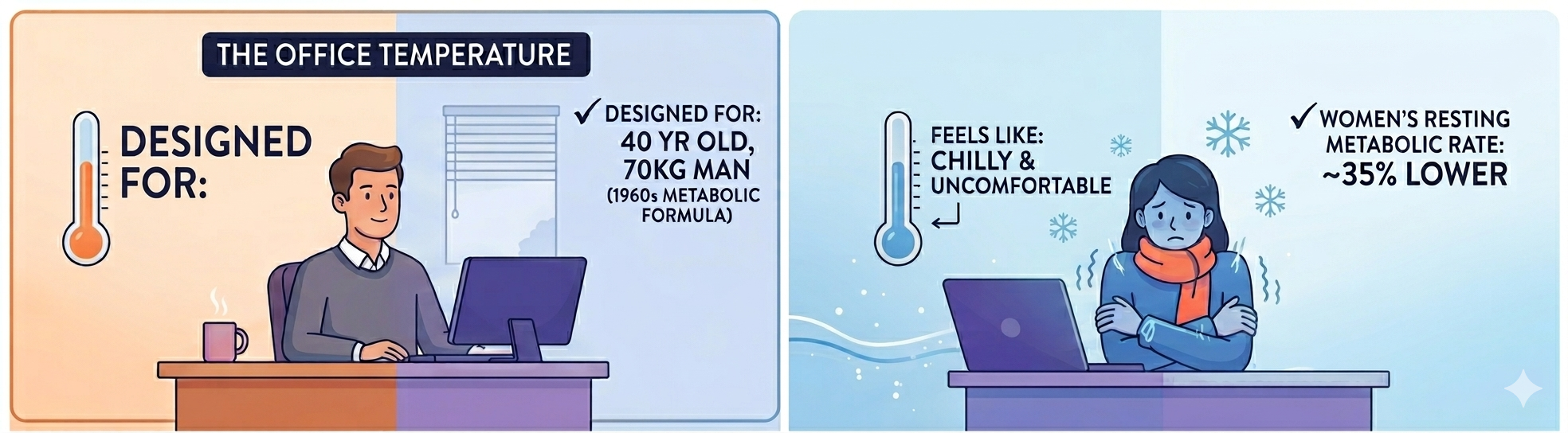
I read Invisible Women by Caroline Criado Perez a while ago, and one detail that has stayed with me ever since is the Office temperatures. The standard office temperature is set based on a metabolic rate formula developed in the 1960s, specifically for a 40 yr old, 70kg man. Women's resting metabolic rate is roughly 35% lower, which means the temperature that feels comfortable to the average man feels actively cold to the average woman.
No doubt I hear my women colleagues complain about feeling cold at work all the time, and honestly, same. I always assumed I just ran cold. Turns out, the building was never calibrated for my body.
If something as basic as temperature was designed without women in mind, what else was?
Can I Put 'On My Period' in the Work Calendar?
As women, our energy is not linear. In the week approaching my period, I don't feel at my 100%, my patience runs thinner, and my body feels heavier than usual. I don't struggle with that thought because I know my body, and I've learned to acknowledge what it's telling me. I always let my partner in on this though, so he knows where I'm at and can meet me with a little more grace in those days. And I wonder whether it would be easier if my teammates also just knew?
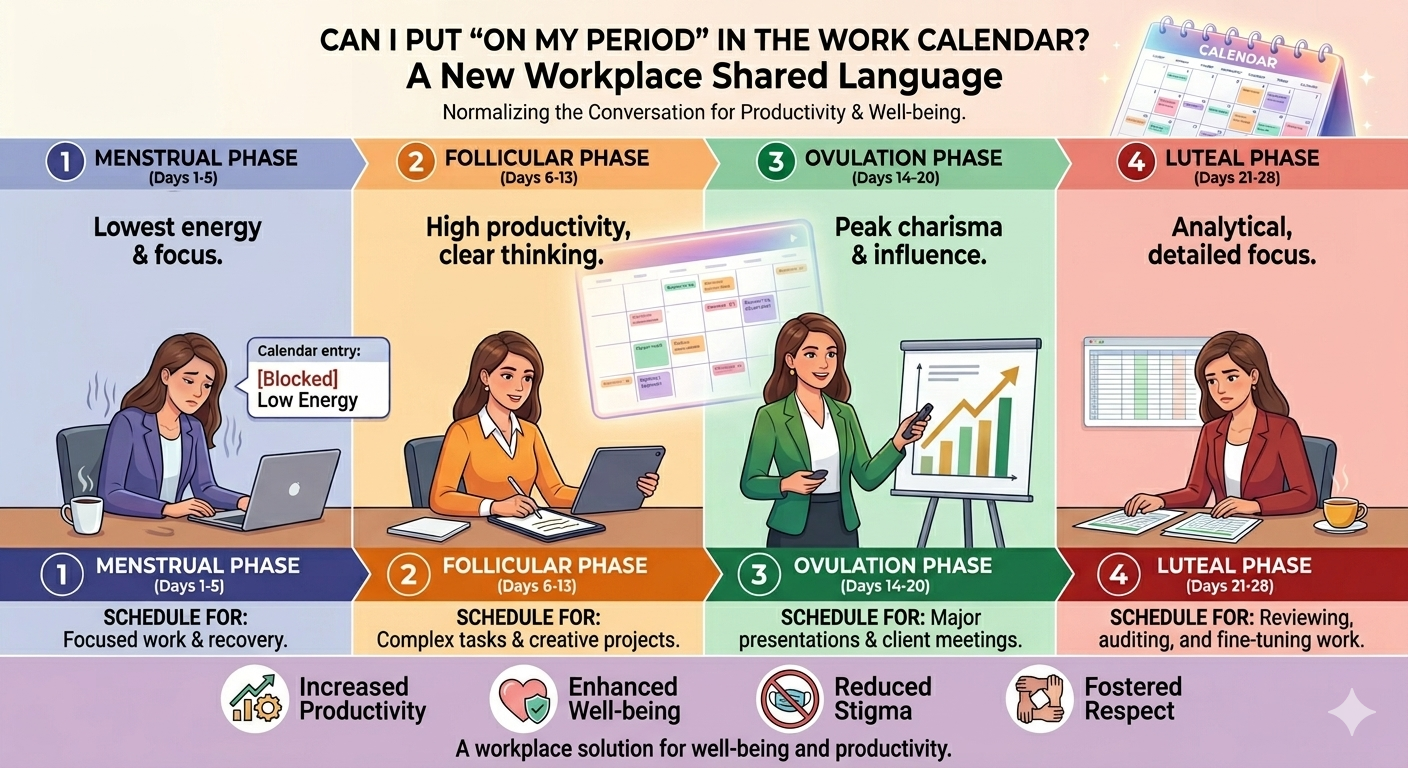
Not in a dramatic way. Not in a way that requires a conversation or an explanation. But something as simple as blocking your calendar the way you would for a dentist appointment or annual leave. Something that says: On my period. A signal to help build an unspoken understanding that I may be a little slower than usual, and that I’ll more than make up for it next week, when I’m firing on all cylinders.
Maybe then they’d plan that brainstorming session for later. Because honestly, women feel like 2x the version of themselves in that post-period window. Some of my best ideas, clearest thinking, and most productive stretches come from there.
So why not? Is that really so radical?
There’s no shared language for this at work. No normalised way to communicate something that affects roughly half the workforce, every single month, for decades of their working lives.
I’ve had male managers I genuinely like and respect - empathetic, well-intentioned people. But even then, it doesn’t feel comfortable to say, “I’m on my period.” Not because they’re unkind, but because we’ve never been given the language or the permission to say it out loud at work.
So most women stay quiet. They push through and perform.
But menstrual health isn’t a personal problem. It’s a workplace productivity issue. It’s a well-being issue. And it should be treated as one.
What Happens to a Woman's Brain After She Has a Child?
I don't have children yet. But I talk to a lot of women at work who do. And something comes up again and again when I speak to new mothers returning to work, they say their brain feels wired differently. Not foggy, not slower, just different. They're not imagining it.
There is, in fact, a term for it called Matrescence. Coined in 1973, it still hasn’t quite made its way into mainstream conversation. Matrescence describes the psychological, emotional, and physiological transformation of becoming a mother. Research shows that a woman’s brain undergoes structural changes during and after pregnancy, particularly in areas linked to empathy and social cognition. Scientists have described it as the second most significant brain change a person can go through after adolescence.
Grey matter in regions linked to social cognition, emotional processing, and decision-making reduces in volume, but this isn’t a decline. Research suggests it’s actually a form of fine-tuning, helping mothers become more efficient at reading and responding to social cues.
The hippocampus, a region of the brain crucial for memory, shows reductions during pregnancy and then subsequent increases in the postpartum period. This helps explain why some women report “baby brain” or forgetfulness during pregnancy. Studies have found that most of these pregnancy-induced brain changes persist for up to six years after giving birth.
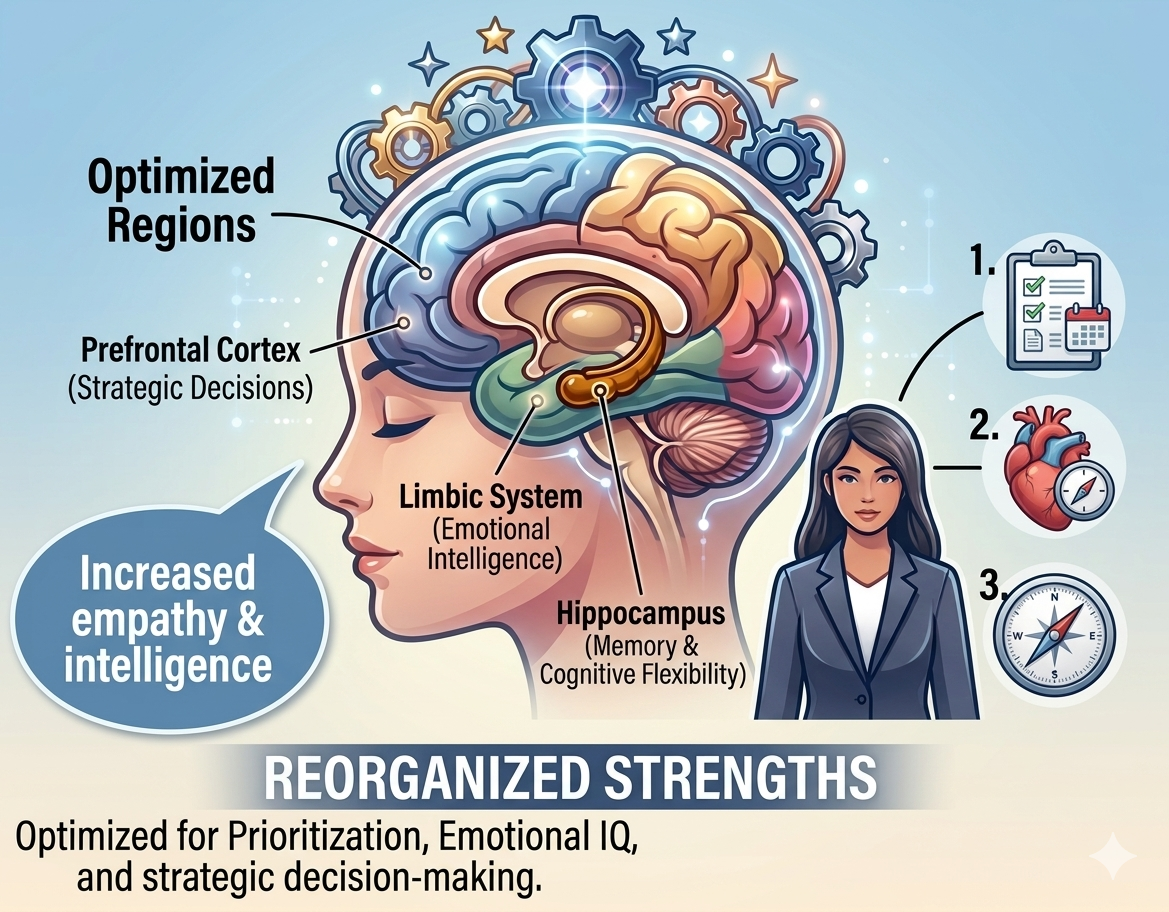
So when a woman returns to work after maternity leave and says she feels different, she is right. Her brain has been through something with no equivalent in male biology. The maternal brain isn't diminished. It's been reorganised, with new strengths in empathy, emotional intelligence, prioritisation, and reading people that, in a different world, a workplace might actively want to harness.
Instead, half of mothers report negative experiences when returning to work after maternity leave. They describe being undermined or side lined. The phrase "motherhood penalty" captures it well - becoming a mother visibly shrinks a woman's perceived ambition and competence in the eyes of colleagues, while becoming a father tends to have the opposite effect on men.
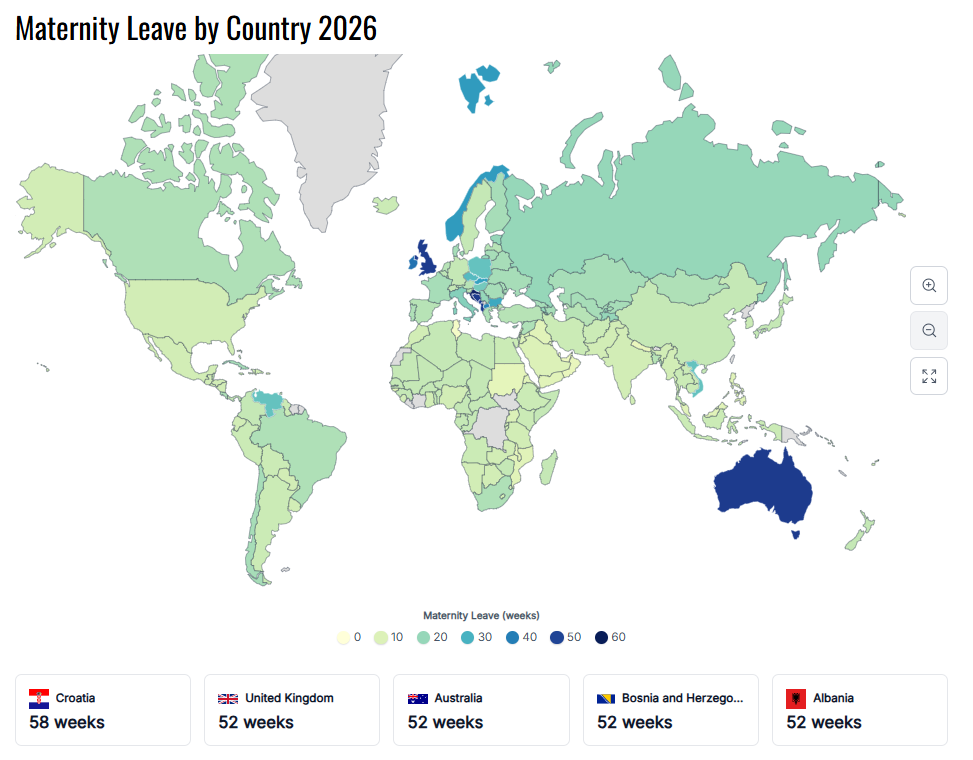
And the infrastructure around return is often an afterthought. Look at the numbers globally. The UK offers up to 52 weeks of maternity leave. India offers 26 weeks for the first two children, paid. The US, the world's largest economy, offers no federally mandated paid maternity leave at all. Zero. Women return to work weeks after giving birth, not because they're ready, but because they can't afford not to. And then we wonder why so many don't come back at their best.
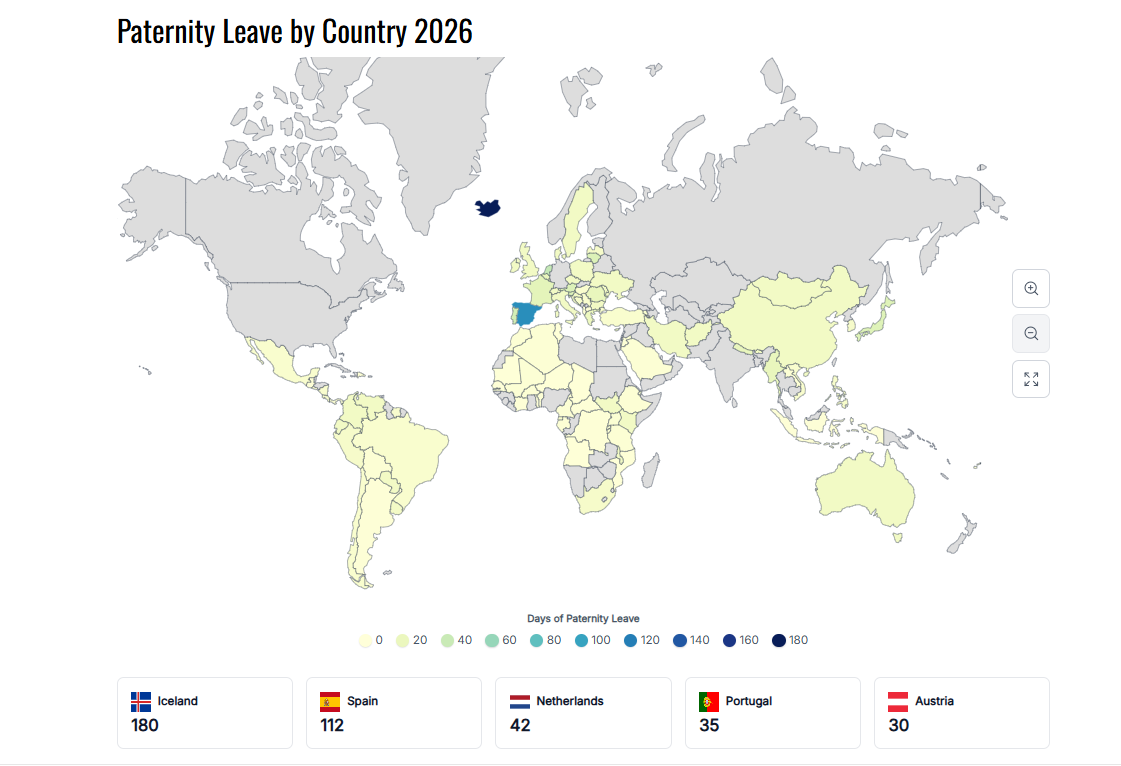
Paternity leave tells a similar story. Iceland leads the world at 180 days. Spain offers 112. The Netherlands, 42. But across large parts of the world, paternity leave either doesn't exist or exists only on paper, rarely taken. And this matters enormously, not just for fathers and families, but for women. When men take parental leave too, the stigma around stepping away for family reduces.
The re-entry pathway gets built for everyone. Melinda French Gates made this point well: when male leaders actually took their parental leave, it stopped being an exception and became an expectation. That cultural shift is what makes the difference.
We’ve made some progress. Breastfeeding rooms exist now. Some companies genuinely support flexible return. But that’s not the same as understanding.
We’ve built policies around motherhood. We haven’t built awareness around it. A returning mother isn’t “picking up where she left off.” Treat it as a transition, not a resume. Supporting women returning to work isn’t about lowering the bar. It’s about recognising that the person returning isn’t the same and neither is the value they bring.
To the Men Reading This
I have spoken to a lot of men who care. Those who genuinely want to understand. And that matters, it matters a lot, because even in 2026, most leadership positions are still held by men. The workplace cannot fix what its leaders don't understand. And I believe most of these men are not indifferent. They just don't know what they don't know.
So ask. Ask the women on your team how they're really doing. Not in a performative way, but in a curious, open way. Learn about the menstrual cycle, about matrescence, about what menopause actually looks like for a working woman in her fifties who is at the height of her career. Create space where women don’t have to translate their experiences into something more “acceptable” to be taken seriously. Where they don’t have to downplay, soften, or reframe what they’re going through.
Closing
I'm writing this as someone who wants a flourishing career and a fulfilling family life. And I refuse to accept that those two things have to be in conflict. The data says they shouldn't be. The science says they shouldn't be. The only thing that keeps them in conflict is a workplace infrastructure that has some catching up to do.
Flexible working that doesn't require an apology. Because a woman leaving at 3 pm to pick up her child and logging back on at 8 pm is not "less committed", she is managing a life that the workplace has not yet caught up to. Normalised conversations about health in the workplace, where saying "I'm on my period and I'm not at 100% today" carries no more weight than saying "I have a headache." Paternity leave that's actually used, not just offered, but expected. The motherhood penalty only shrinks when parenthood becomes a shared visible disruption.
None of this is radical. It's just overdue.
References:
Criado Perez, C. (2019). Invisible Women — available on Amazon
McKinsey Health Institute (2024). Closing the Women's Health Gap: A $1 Trillion Opportunity — Read here
World Population Review (2026). Paternity Leave by Country — Read here 4. World Population Review (2026). Maternity Leave by Country — Read here
AXA Health. What is Matrescence? — Read here
Sacks, A. (2018). A New Way to Think About the Transition to Motherhood — TED Talk
People Management (2024). Half of Mothers Have Negative Experiences Returning to Work — Read here
French Gates, M. & Dugan, R. (2026). The Health Gap Holding Women Back at Work — LinkedIn Live